
Introduction
Dental implants are a popular way to replace missing teeth. They look and feel like natural teeth. Many people choose dental implants because they are strong and long-lasting. If you are thinking about the dental implant procedure, it is important to know the benefits, possible risks, and how to care for them after surgery. This guide will help you understand everything you need to know about dental implants, including dental implant risks and dental implant aftercare.
What Are Dental Implants?
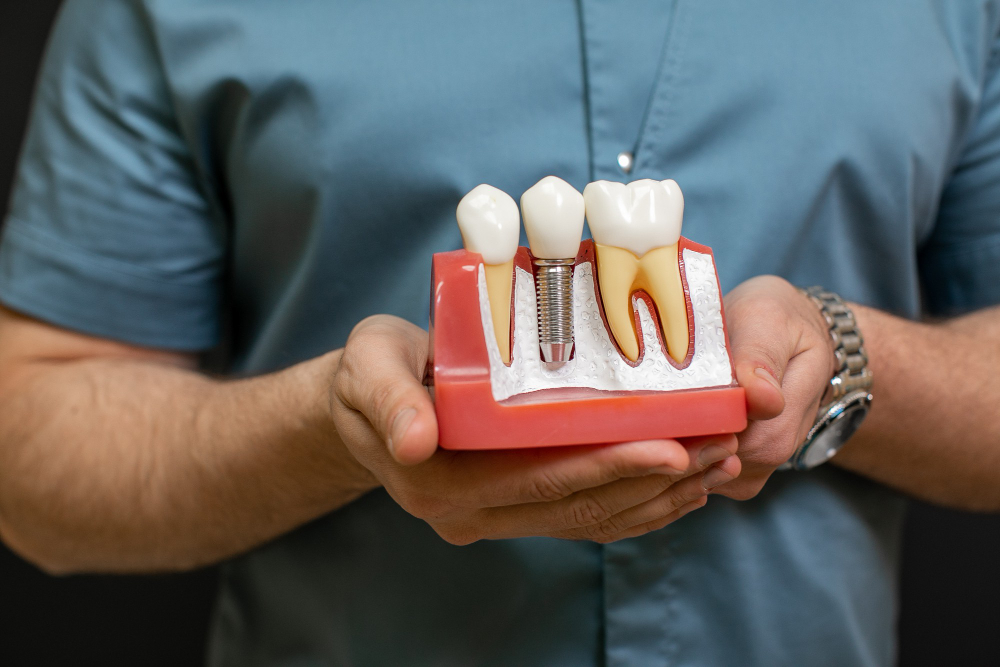
Dental implants are small metal posts. Dentists place them into your jawbone where teeth are missing. Over time, the bone grows around the implant. This helps hold it in place. After the implant heals, a dentist attaches a crown, which looks like a real tooth. In some cases, implants can also support bridges or dentures. Because they are fixed in your mouth, dental implants do not slip or move.
Who Needs Dental Implants?
Not everyone needs dental implants, but they can help many people. For example, you may need dental implants if:
However, some people may not be good candidates. For instance, if you have certain health problems or weak jawbones, your dentist may suggest other options.
Benefits of Dental Implants
Dental implants offer many advantages. First, they look and feel like natural teeth. Also, they help you chew and speak more easily. Here are some key benefits:
Because dental implants are fixed, you do not need to remove them for cleaning. This makes daily care simple.
The Dental Implant Procedure (Step-by-Step)
The dental implant procedure usually takes several steps. Each step is important for a safe and successful result. Here is what you can expect:
Sometimes, extra steps are needed. For example, you may need bone grafting if your jawbone is too thin.
Risks and Possible Complications
Dental implants are safe for most people. Still, like any surgery, there are some risks. It is important to know these before starting the dental implant procedure. Possible risks include:
However, most problems are rare and can be treated. Choosing a skilled dentist lowers your risk. According to the American Dental Association, dental implants have a high success rate of over 95%.
Aftercare and Recovery Tips
Good aftercare helps your dental implants last longer. Here are some simple tips for dental implant aftercare:
With proper care, dental implants can last many years. In fact, some people keep them for life.
Frequently Asked Questions about Dental Implants
Conclusion
Dental implants are a strong, natural-looking way to replace missing teeth. They offer many benefits and have a high success rate. However, it is important to know the risks and follow good aftercare. If you are thinking about dental implants, consult a qualified dentist to find out if they are right for you.